


Please complete the inquiry form below. One of our staff will contact you within 1 business day
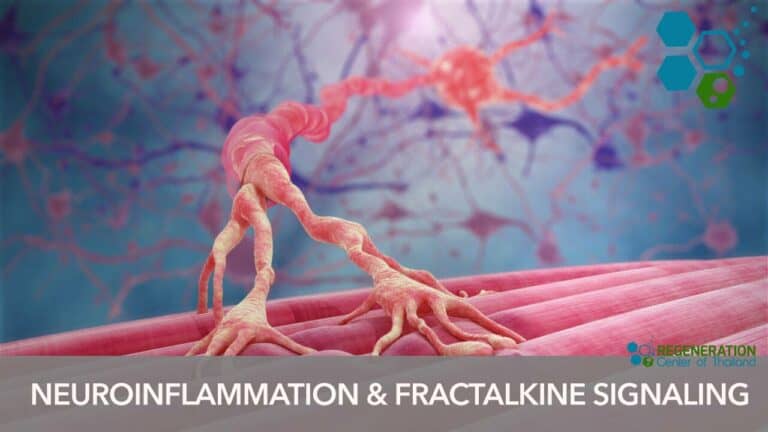
Multiple Sclerosis (MS), an autoimmune disease primarily affecting myelin and myelin-producing cells known as oligodendrocytes in the brain and spinal cord, is known to cause symptoms of varying severity. Manifestations can range from relatively mild symptoms, such as numbness and blurred vision, to more severe complications, including paralysis and memory problems. This debilitating disease affects approximately 3.2 million individuals worldwide. Despite this, the current treatment protocols are inconsistent, offering no repeatable therapies capable of stimulating remyelination within the central nervous system (CNS). Therapies that promote remyelination carry the potential to alleviate MS symptoms and decelerate, if not halt, disease progression. Consequently, Stem cell treatment for Multiple Sclerosis that stimulate CNS remyelination have become a crucial focus for ongoing research, especially given the relative ineffectiveness of existing MS treatments.
Fractalkine is a unique ligand for chemokine receptor (CX3CR1) which is expressed on natural killer cells, monocytes, T cells, Mesenchymal cells and smooth muscle cells where it
Fractalkine chemokine is widely expressed in neurons, has been shown to support the survival and development of several cell types, including oligodendrocytes and astrocytes, during both inflammation and homeostasis. Oligodendrocytes are primarily responsible for maintaining the myelin sheath. The expression of fractalkine’s receptor, CX3CR1, is predominantly limited to microglia. Given this, stem cell researchers have become interested in exploring the therapeutic potential of fractalkine for neurodegenerative diseases, including MS, Ataxia, Spinal cord injuries, brain injuries, MND, ALS, Parkinson’s and Alzheimer’s disease.
While past studies have highlighted the neuroprotective role of chemokines before the onset of demyelinating lesions, this is the first instance that fractalkine has been reported to stimulate remyelination (PDF link) and induced neural regeneration post-disease introduction. In addition to promoting remyelination, researchers also found that fractalkine mitigated inflammation, a destructive process triggered by the autoimmune attack inherent in MS, thereby lessening damage to myelin and oligodendrocytes. The safety and effectiveness of fractalkine align well with previous research studies that investigated its impacts.
Future studies plan to evaluate the effect of fractalkine in human models suffering from other neurodegenerative diseases and in alternative models. If fractalkine continues to show promise in these subsequent diseases and human clinical trials, it could become a revolutionary treatment for MS and other neurodegenerative diseases. Fractalkine has the potential to evolve into a groundbreaking therapy for remyelination, capable of arresting and even reversing the damaging effects of MS.
If you've seen people take ice baths or cold showers and wondered if they're onto… Read More
Immunomodulation stands at the forefront of biomedical research, steering the immune system's ability to fight… Read More
Stem cell research leads the charge in medical innovation, heralding revolutionary advances in regenerative medicine.… Read More
The blood-brain barrier (BBB) is a crucial shield for the brain, regulating the entry of… Read More
While peptide bonds are fundamental to protein structure, their direct relationship with stem cells lies… Read More
When discussing cutting-edge cancer treatments, NK cell therapy stands out due to its unique approach… Read More
