


Please complete the inquiry form below. One of our staff will contact you within 1 business day
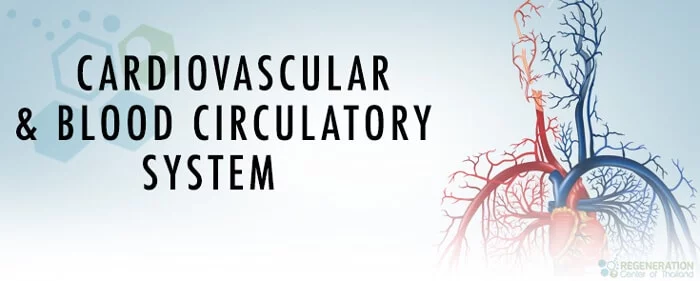
The Blood Circulatory System is comprised of the heart and lungs, along with the arteries and veins. These pieces work together to ensure that blood flows properly throughout the body, i.e., systemic circulation, our lungs, pulmonary circulation, and our heart, coronary circulation.
The blood circulatory and heart combination comprise our cardiovascular and pulmonary circulation systems. A human heart works like a pump to push nutrient-rich blood to all our organs, cells, and tissues. Our Blood carries nutrients and oxygen to every cell in the body while removing any waste or carbon dioxide generated by the cells. Our circulatory system is one-way; the blood flow process inside the body is known as circulation. The Blood circulatory system carries blood from our heart to the rest of our body through a complex network of arteries, capillaries, and arterioles. The blood then returns to our heart through veins and venules. In pulmonary circulation, the roles are reversed. The pulmonary artery brings oxygen-lacking blood to our lungs, while the pulmonary veins bring oxygen-rich blood back to our heart.
It is estimated that if our blood vessels were untangled and laid end to end, the distance would extend for nearly 58,000 miles or almost 93,342 kilometers, enough to circle our planet twice! A human heart weighs about 7 to 14 ounces or 198 to 397 grams. A heart is slightly larger than the size of a human fist. It is estimated that at the end of a human’s life, the heartbeat counts more than 3 billion times ( expand and contract ). On average, a heart beats almost 100,000 times, pumping nearly 2,000 gallons of blood daily.
A human heart has four chambers in total. The upper chambers are the right and left atria, while the lower heart chambers are the right and left ventricles. A thin muscle wall known as a “septum” separates the right and left atria and the right and left ventricles. The left heart ventricle is considered the most robust and largest chamber in our heart, and even though it is only 1/2 inch thick, it can push blood through our aortic valve and back into our bodies.
Four valves help us regulate blood flow through our heart:
Cardiovascular and cardiopulmonary diseases refer to any condition that involves blocked or narrowed blood vessels, which lead to cardiovascular events such as MI. Stem cell treatment for heart disease and congestive heart failure seeks to repair the heart muscle, valves, or heart rhythm, not just treat the symptoms. Cardiovascular disease risk factors for poor blood circulatory system function and heart disease include a patient’s lifestyle, age,e, and family history. It is estimated that nearly half of patients who are diagnosed with heart disease have one of the three key factors, including high cholesterol, high blood pressure, and smoking.
Please note that hereditary risk factors cannot be controlled, but patients can take steps to lower the risk of heart attacks by changing the other factors that can be controlled. To maintain normal/good cardiovascular function, the Regeneration Centre recommends eating a healthy diet and regular and proper exercise.
A balanced heart-healthy diet consists of organic/whole foods rich in minerals, vitamins, and nutrients such as l-arginine. Some other diets for rheumatoid arthritis & healthy snacks for the heart include:
Patients with a family history of heart disease should severely limit grains and sugars found in processed foods. A change in diet might not be easy at first, but getting into a good habit takes less than one month of repetition. High-risk patients should look to consume high-quality omega-3 fats (krill oil), drink lots of fresh water, and maintain vitamin D levels between 70-100 ng/ml through 10-15 minutes of exposure to the sun. Learn about healthy fats from keto.
Another way to optimize heart health is through physical exercise. Regular exercise is proven to increase stem cells naturally by improving blood circulation and maintaining a healthy weight. Please be mindful of your overall and cardiovascular health, as prevention is always better than treatment after injury.
To learn more about treatment for myocardial infarction and heart disease, please contact us.
If you've seen people take ice baths or cold showers and wondered if they're onto… Read More
Immunomodulation stands at the forefront of biomedical research, steering the immune system's ability to fight… Read More
Stem cell research leads the charge in medical innovation, heralding revolutionary advances in regenerative medicine.… Read More
The blood-brain barrier (BBB) is a crucial shield for the brain, regulating the entry of… Read More
While peptide bonds are fundamental to protein structure, their direct relationship with stem cells lies… Read More
When discussing cutting-edge cancer treatments, NK cell therapy stands out due to its unique approach… Read More
