



Please complete the inquiry form below. One of our staff will contact you within 1 business day
Cell-based cancer treatments such as NK Cell Therapy are an excellent alternative to traditionally dangerous, high-dose chemotherapy or radiation therapies used by oncologists around the world. CD4+ T-Lymphocyte Cell Regeneration to treat non-Hodgkin lymphoma may be the solution.
Our immune system constantly works to identify and monitor all bodily substances, ensuring that anything foreign or harmful, such as bacteria, viruses, or mutated cells, is promptly dealt with. When a new, unfamiliar substance is detected, it triggers an immune response, raising an internal alarm that signals the body to attack and eliminate the invader. However, cancer cells can sometimes evade this natural defense mechanism by mimicking normal cells or creating an environment that suppresses immune responses, allowing them to grow unchecked.
Chimeric antigen receptor (CAR) T-cell therapy represents a major advancement in cancer treatment by enhancing the body’s ability to recognize and attack cancer cells. This innovative therapy involves extracting a patient’s T cells, a type of white blood cell that plays a crucial role in immune defense, and genetically modifying them in a laboratory to recognize cancer cells better. The modification process equips the T cells with a synthetic receptor known as a chimeric antigen receptor (CAR), specifically designed to target proteins on the surface of cancer cells. Once reprogrammed, the enhanced T cells are multiplied and reintroduced into the patient’s bloodstream.
These modified T cells, now equipped with the CAR, can actively seek out cancer cells throughout the body, binding to them and initiating a potent immune attack that destroys the malignant cells. Unlike traditional cancer treatments such as chemotherapy or radiation, which can also harm healthy tissues, CAR T-cell therapy is highly targeted, focusing specifically on cancer cells. This precision reduces collateral damage to normal cells and increases the effectiveness of the treatment.
Moreover, CAR T-cell therapy is a form of cell-based gene therapy because it alters the genetic makeup of the patient’s immune cells. By reprogramming these cells, the therapy can harness the immune system’s power to fight cancer in a more efficient and enduring way. In some cases, these modified T cells can remain in the body long after the initial treatment, providing continued protection against cancer recurrence. As a result, CAR T-cell therapy holds significant promise for patients with certain types of cancer, especially those who have been resistant to conventional treatments. However, the therapy is not without risks, including potential side effects such as cytokine release syndrome and neurotoxicity, which require careful monitoring and management during treatment.
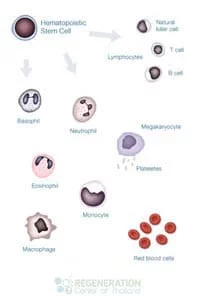
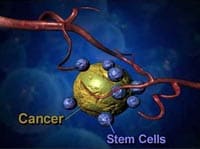
Stem cells can and are being used to treat cancer today. Gene Therapies, senolytic therapies, and stem cell-based cancer treatments are used throughout the world but for only a few types of diseases, such as non-Hodgkins lymphoma. Stem cells can treat the two main types of blood cancers, lymphoma and leukemia when children or adults are given a high dosage of chemotherapy to try to irradiate as many cancer cells as possible, which it does but at the high cost of massive destruction of bone marrow
Ideal candidates for our cancer treatment protocol are:
Your specific protocol will depend on your current diagnosed needs. Typically, stem cell treatments for cancer require a multidisciplinary approach to ensure our clients can make a complete recovery and continue to live long and healthy lives.
Depending on your needs, we offer a few solutions to treat cancers with and without the need for just Chemotherapy, including:
The Regeneration Center offers a unique cancer treatment that requires cell collection for 2 or 3 days to ensure our doctors can collect enough of the needed types of cells. Collecting the stem cells requires 1 to 3 hours each visit.
The collection requires no surgery or anesthesia and is generally non-invasive [3]. If your blood work and cell counting (flow cytometer) don’t show enough quantities of the needed types of stem cells, you may need injections of G-CSF to promote your bone marrow (iliac crest extractions) to release more stem cells. We also offer stem cell banking for up to 25 years if you want to save your stem cells as an insurance policy for traumatic events such as brain strokes and heart attacks.[4]
enlargement
All cancer treatment protocols require a minimum of 14-30 nights in Bangkok. Due to the varying degrees/stages of Illness, our medical team and oncologist will need to better understand the potential patient’s condition before acceptance into the program.
To determine eligibility for treatment and get therapy recommendations with fixed-cost treatment plans, our medical team will need to better understand the patient’s existing needs via recent histological results, Biopsies, DNA Tests, blood tests, x-rays, scans, bone marrow sample results, or clinical diagnosis from your oncologist in your home country.
Upon acceptance, specifics relating to the treatment will be provided, including the total number of nights required and the medical-related costs (excluding accommodations or flights). The exact prices for the stem cell cancer protocol will include all the hospital fees, stem cell extraction and expansion fees, doctor fees, and follow-up consultations for 12 months after treatment.
To learn more or apply to our alternative treatment for cancer without Chemotherapy, please contact us Today.
[1] ^ Kheansaard, Wasinee, Sumana Mas-Oo-di, Surasak Nilganuwong, and Dalina I Tanyong. 2012. Interferon-gamma induced nitric oxide-mediated apoptosis of anemia of chronic disease in rheumatoid arthritis. Rheumatology international, no. 1 (January 19). doi:10.1007/s00296-011-2307-y. https://www.ncbi.nlm.nih.gov/pubmed/22258456
[2] ^ Sadler, Nicole M, Britney R Harris, Brittany A Metzger, and Julia Kirshner. 2013. N-cadherin impedes proliferation of the multiple myeloma cancer stem cells. American journal of blood research, no. 4 (December 18). https://www.ncbi.nlm.nih.gov/pubmed/24396705
[3] ^ Snyder, Joshua C, Lauren K Rochelle, Larry S Barak, and Marc G Caron. 2013. The stem cell-expressed receptor Lgr5 possesses canonical and functionally active molecular determinants critical to β-arrestin-2 recruitment. PloS one, no. 12 (December 27). doi:10.1371/journal.pone.0084476. https://www.ncbi.nlm.nih.gov/pubmed/24386388
[4] ^ Subbiah, Vivek, Robert E Brown, Mary F McGuire, Jamie Buryanek, Filip Janku, Anas Younes, and David Hong. 2014. A novel immunomodulatory molecularly targeted strategy for refractory Hodgkin’s lymphoma. Oncotarget, no. 1 ( 15). https://www.ncbi.nlm.nih.gov/pubmed/24395633
